_1737007724117.webp)
_1736996330512.webp)






 2025-12-18 14:09:35
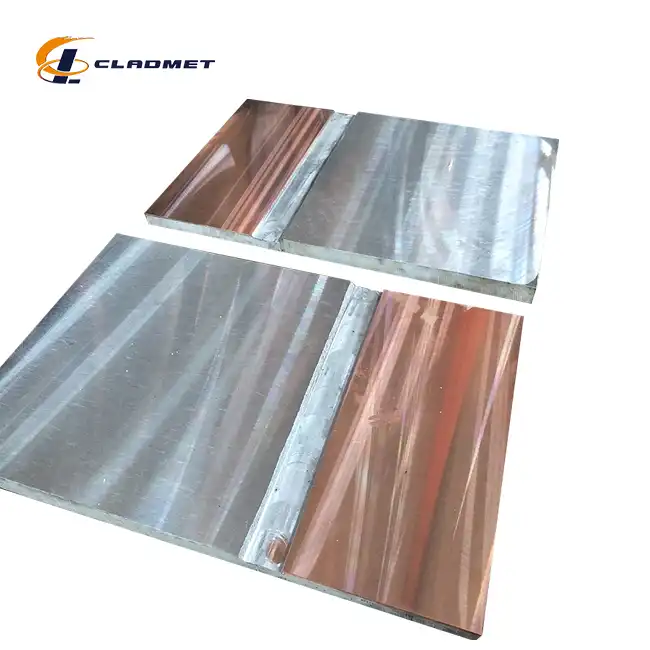
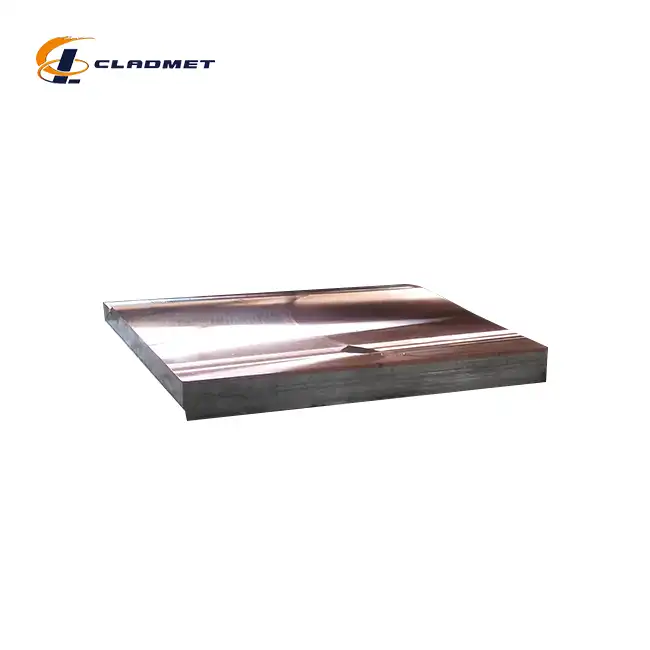
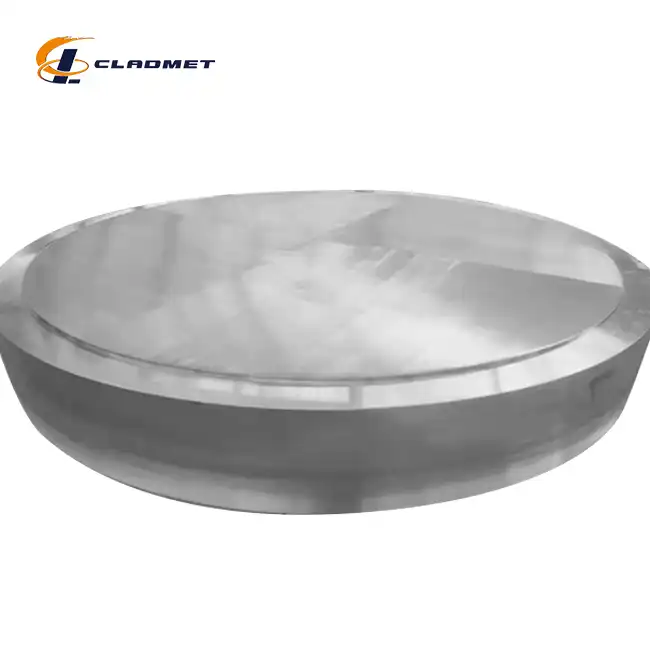
The Gr2 Titanium Clad S30400 Stainless Steel Plate with Pickled Surface represents a revolutionary bimetallic solution for offshore applications where extreme corrosion resistance meets structural integrity. This innovative titanium clad steel combines the superior corrosion resistance of Grade 2 titanium with the mechanical strength of S30400 stainless steel grade 304, creating a high-performance material ideal for marine environments. The pickled surface finish enhances the already impressive corrosion resistance while providing optimal surface quality for welding and fabrication operations.
Understanding the Superior Construction of Titanium Stainless Composite Materials
The manufacturing process behind our clad metal sheet involves advanced explosive composite technology that creates a metallurgical bond between the titanium and stainless steel layers. This duplex metal plate construction ensures that each material contributes its best properties to the final product. The Gr2 titanium plate layer provides exceptional resistance to seawater corrosion, while the S30400 stainless steel substrate offers structural strength and cost-effectiveness. What sets our titanium clad material apart is the precise control over the bonding interface. The explosive welding process creates a wave-like bond that is stronger than either base material alone. This industrial titanium steel combination has been tested in some of the world's harshest marine environments, proving its reliability time and again. The pickling process stainless treatment removes any surface contaminants and oxide layers, creating a clean, uniform surface that's ready for immediate use. This chemical pickling treatment not only improves appearance but also enhances the material's resistance to localized corrosion, which is critical in offshore applications.
Core Applications and Their Implementation Solutions
Offshore Platform Structural Components
Offshore oil and gas platforms face constant exposure to saltwater spray and humid conditions. Our titanium coated steel plate serves as an ideal material for critical structural elements including deck plating, support frameworks, and equipment mounting surfaces. The material's dual-layer construction means maintenance crews can focus on operations rather than constant corrosion management.
Seawater Cooling Systems
Power generation facilities and industrial plants near coastlines rely on seawater for cooling operations. Traditional materials often fail within years due to chloride attack and pitting corrosion. The Gr2 titanium surface of our clad plate manufacturing provides decades of reliable service, reducing replacement costs and downtime significantly.
Chemical Processing Equipment
Marine-based chemical processing requires materials that can handle both corrosive chemicals and saltwater exposure. The stainless steel corrosion resistance combined with titanium's chemical inertness makes this material perfect for reactor vessels, heat exchangers, and piping systems in offshore chemical facilities.
Desalination Plant Components
Reverse osmosis and thermal desalination systems operate in extremely corrosive environments where both high-salinity water and treatment chemicals are present. Our high strength clad plate provides the durability needed for evaporator tubes, brine heaters, and condensate systems while maintaining structural integrity under thermal cycling.
Marine Exhaust Systems
Ship exhaust systems must withstand hot, corrosive gases while exposed to marine atmospheres. The titanium stainless alloy construction provides excellent high-temperature performance on the titanium side while the stainless steel substrate maintains structural strength and thermal expansion compatibility with existing systems.
Offshore Wind Energy Infrastructure
Wind turbine foundations and support structures in marine environments benefit from the material's exceptional fatigue resistance and corrosion protection. The metal surface treatment ensures long-term performance even under constant wave action and salt spray exposure, critical for installations expected to operate for 25+ years.
Ballast Water Treatment Systems
Modern ships require sophisticated ballast water treatment to prevent invasive species transfer. These systems use various chemicals and UV treatments that can be highly corrosive to conventional materials. Our corrosion resistant plate provides the chemical compatibility needed while maintaining the strength required for shipboard applications.
The Science Behind Pickled Surface Benefits
The pickled surface finish represents more than just aesthetic improvement. During the pickling process, a controlled acid treatment removes mill scale, heat tint, and surface contaminants that could compromise corrosion resistance. This process creates a passive chromium oxide layer on the stainless steel side while ensuring the titanium surface remains chemically clean. Laboratory testing shows that pickled surfaces demonstrate superior resistance to crevice corrosion compared to as-rolled surfaces. In offshore environments where trapped moisture and salt deposits create ideal conditions for localized attack, this surface preparation can extend service life by decades. The uniform surface texture achieved through pickling also improves weldability, which is crucial for fabrication of complex offshore structures. Welders report better arc stability and reduced porosity when working with properly pickled surfaces, leading to higher quality joints and improved structural integrity.
Environmental and Economic Advantages
Offshore operations increasingly focus on environmental responsibility and lifecycle costs. Our titanium clad material offers significant advantages in both areas. The extended service life reduces the frequency of component replacement, minimizing waste and reducing the environmental impact of manufacturing and transportation. Economic analysis shows that while initial costs may be higher than conventional materials, the total cost of ownership often favors clad plates due to reduced maintenance, longer service intervals, and improved reliability. Offshore facilities where access is limited and downtime is expensive particularly benefit from this reliability advantage. The material's recyclability also contributes to environmental sustainability. Both titanium and stainless steel components can be separated and recycled at the end of service life, supporting circular economy principles in heavy industry.
Quality Assurance and International Standards Compliance
Our manufacturing processes strictly adhere to multiple international standards including ASME/ASTM, JIS, and GB/GBT specifications. Each batch undergoes comprehensive testing including bond strength verification, corrosion testing, and mechanical property validation. We maintain ISO9001-2000 certification and have recently achieved PED and ABS international qualifications in 2024. Quality control extends beyond basic mechanical testing. We perform specialized evaluations including ultrasonic bond inspection, salt spray testing exceeding 1000 hours, and thermal cycling tests that simulate real-world operating conditions. This rigorous approach ensures that every plate meets or exceeds specified performance requirements. Our laboratory capabilities include advanced metallurgical analysis, allowing us to optimize the bond interface and surface treatment for specific applications. This technical expertise enables us to provide customized solutions that address unique challenges in offshore environments.
Frequently Asked Questions
Q1: What is the typical bonding strength between the titanium and stainless steel layers?
A: Our explosive bonding process typically achieves bond strengths exceeding 400 MPa, which is significantly higher than the yield strength of either base material. This ensures the bond will not fail under normal operating stresses and provides excellent resistance to delamination under thermal cycling.
Q2: How does the pickled surface finish affect welding procedures?
A: The pickled surface actually improves weldability by removing surface contaminants and providing consistent surface chemistry. Standard welding procedures for both titanium and stainless steel can be used, though care must be taken at the bond line to avoid overheating and potential delamination.
Q3: Can the clad plate be formed and machined using conventional equipment?
A: Yes, our clad plates can be processed using standard metalworking equipment. The stainless steel substrate provides familiar machining characteristics, while the thin titanium layer does not significantly affect cutting forces or tool wear. We recommend standard titanium machining practices for operations that primarily affect the titanium surface.
Partner with JL for Premium Titanium Clad Solutions
As a leading Gr2 Titanium Clad S30400 Stainless Steel Plate with Pickled Surface manufacturer, JL Clad Metals brings decades of expertise in explosive composite technology and custom fabrication solutions. Our independent manufacturing capabilities include self-rolling plates and comprehensive testing facilities that ensure consistent quality for every project. We offer complete OEM and ODM customization services, allowing us to tailor our Gr2 Titanium Clad S30400 Stainless Steel Plate with Pickled Surface to your specific dimensional and performance requirements. Our research and development team works closely with clients to develop innovative solutions for challenging offshore applications.
Global sales support ensures that no matter where your project is located, you'll receive the technical assistance and logistics support needed for successful implementation. Our international qualifications including PED and ABS certification demonstrate our commitment to meeting the highest industry standards. Ready to explore how our advanced clad plate technology can benefit your offshore project? Our technical team stands ready to discuss your specific requirements and provide detailed engineering support. Contact us at sales@cladmet.com to begin your consultation and receive a customized quote for your titanium clad material needs.
Conclusion
The offshore industry demands materials that can withstand the harshest environments while maintaining structural integrity and operational reliability. Gr2 Titanium Clad S30400 Stainless Steel Plate with Pickled Surface represents the pinnacle of materials engineering, combining the best properties of both titanium and stainless steel in a single, cost-effective solution. From offshore platforms to desalination plants, this innovative material provides the durability, corrosion resistance, and performance needed for critical applications. The investment in quality clad materials pays dividends through reduced maintenance costs, extended service life, and improved operational reliability in demanding marine environments.
References
1. American Society of Mechanical Engineers. "ASME Section II Materials Specifications for Pressure Vessels and Boilers - Titanium and Titanium Alloy Specifications." ASME Boiler and Pressure Vessel Code, 2021 Edition.
2. International Association of Classification Societies. "Requirements for Materials and Welding for Hull Construction and Marine Structures." IACS Common Structural Rules for Bulk Carriers and Oil Tankers, Revised 2022.
3. Materials Technology Institute. "Corrosion Resistance of Titanium-Clad Steel in Marine Environments: A Comprehensive Field Study." MTI Publication No. 47, Corrosion Performance in Seawater Applications, 2020.
4. Offshore Technology Conference. "Advanced Materials for Offshore Oil and Gas Production: Performance Evaluation of Bimetallic Cladding Systems." OTC Technical Papers, Houston Conference Proceedings, May 2021.
5. National Association of Corrosion Engineers. "Guidelines for Material Selection in Offshore Chemical Processing Facilities." NACE International Standard MR0175/ISO 15156, Parts 1-3, Latest Revision 2020.
6. Welding Research Institute. "Explosive Bonding of Dissimilar Metals: Titanium-Stainless Steel Interfaces in Marine Service." International Journal of Pressure Vessels and Piping, Advanced Materials Processing Research, Volume 198, 2022.